
Lagoon notebook · Venice
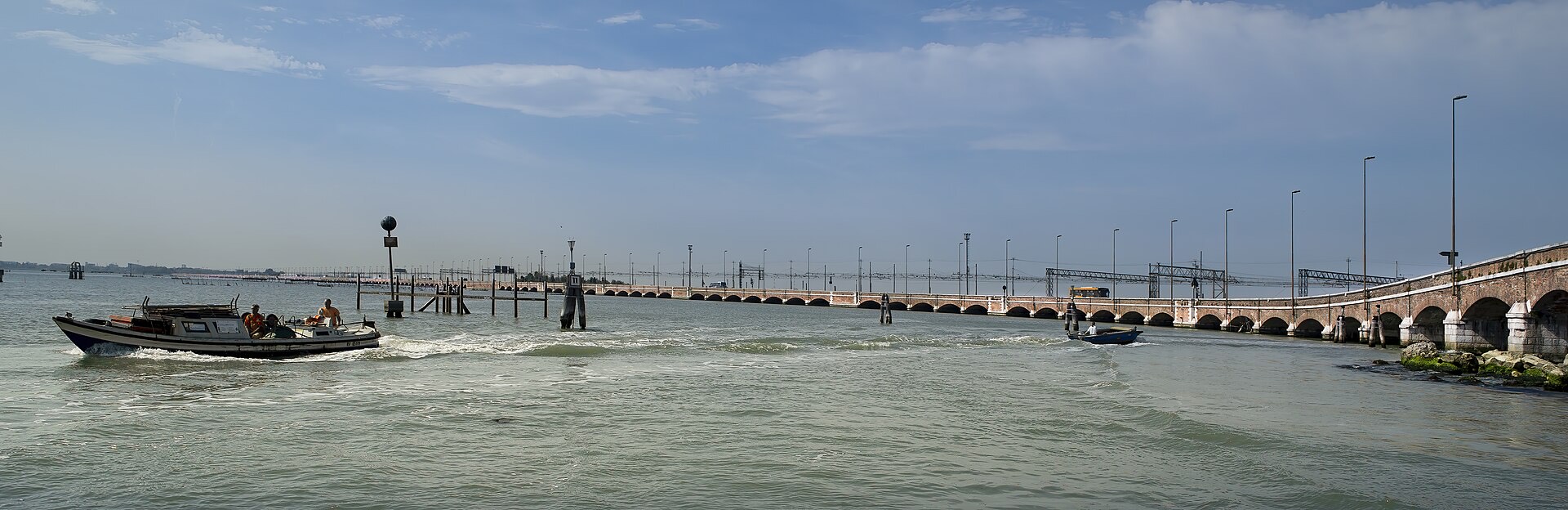
The road gives up.
The water takes over.
Venice is islands stitched by bridges. You arrive at the edge, then you walk.
The lagoon
A city with a hard western edge
The historic centre sits on timber and silt. Six sestieri, no carriageway for a private car. After the causeway you are on foot, or you are on a boat.
Parish churches and boat stops still order the day more than the souvenir map does. This notebook starts in those districts, walks out to Murano and the public trees, then tells you how a visitor actually lands.
Arsenale Inform is independent. We sell nothing. If a timetable will be wrong by Easter, we leave the number off.
The six
Districts with different grain
San Marco performs for the camera. Castello still keeps ordinary shops. Dorsoduro turns its back on the postcard and looks at Giudecca.
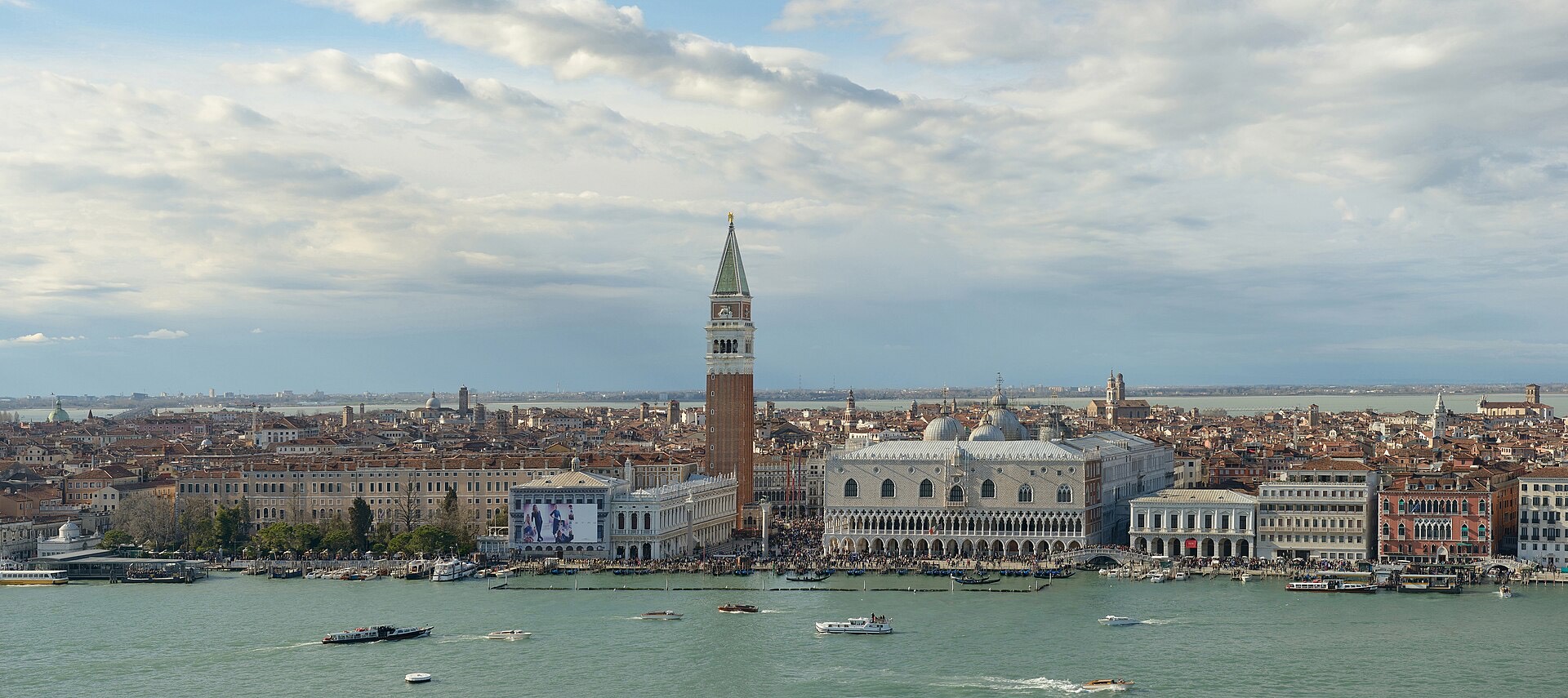
San Marco
The paved room
The square that still prints on every postcard. It is also the first to flood.
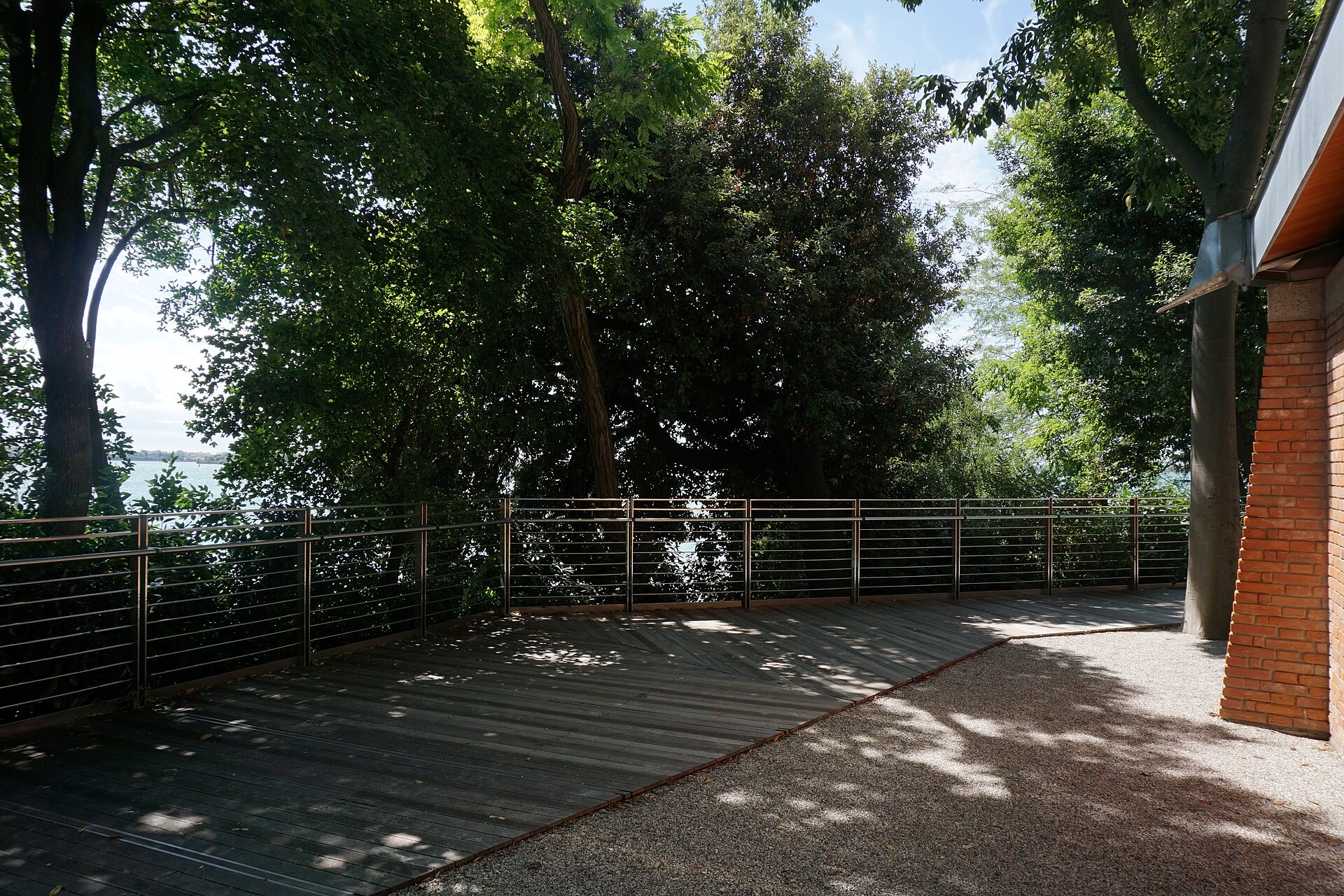
Castello
Yards and gardens
Shipyard walls, Biennale trees, and streets that empty after San Pietro.
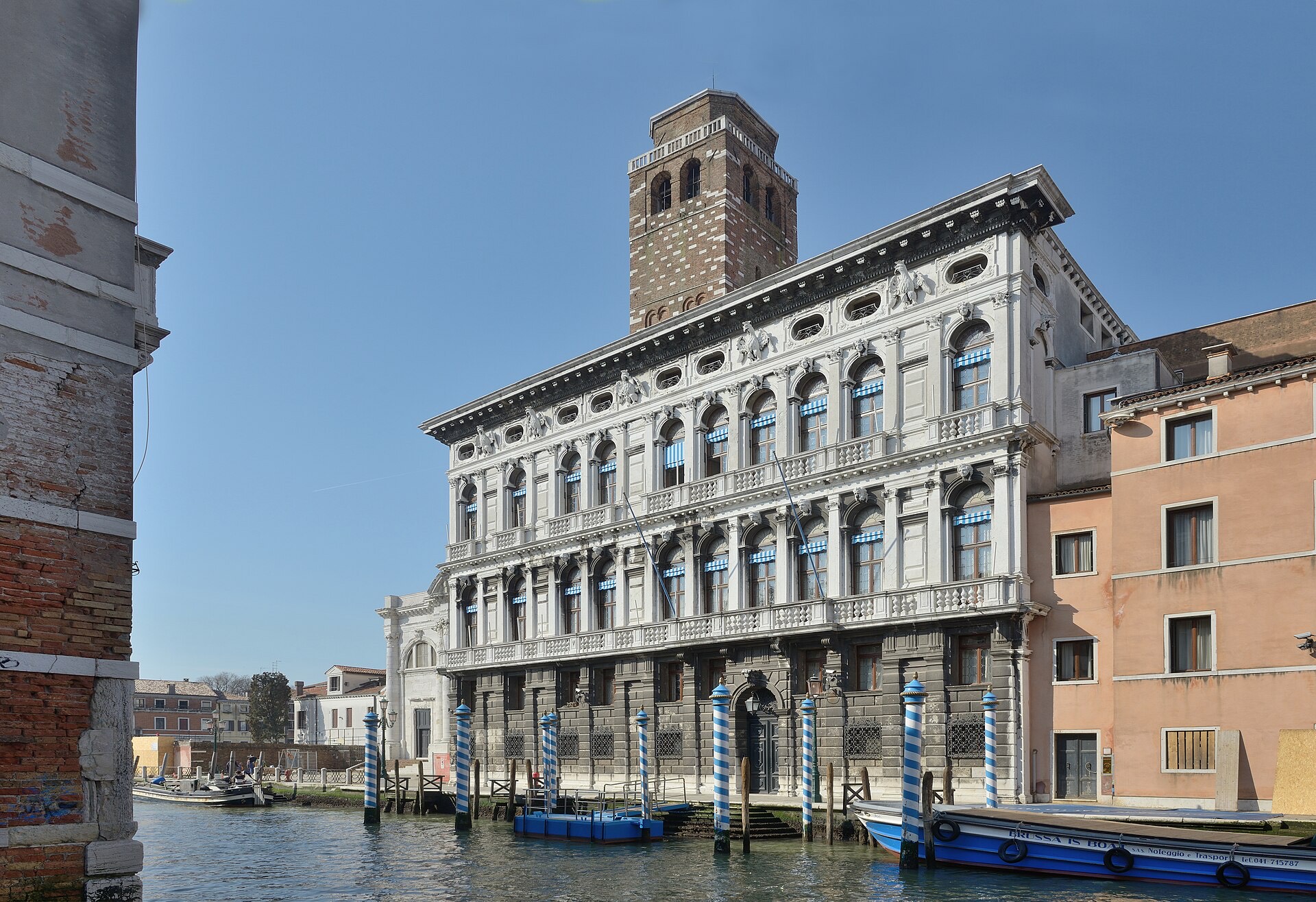
Cannaregio
Long north shore
Palazzo Labia sits on the canal like a hull. Fondamente Nove opens to the Alps on a clear day.
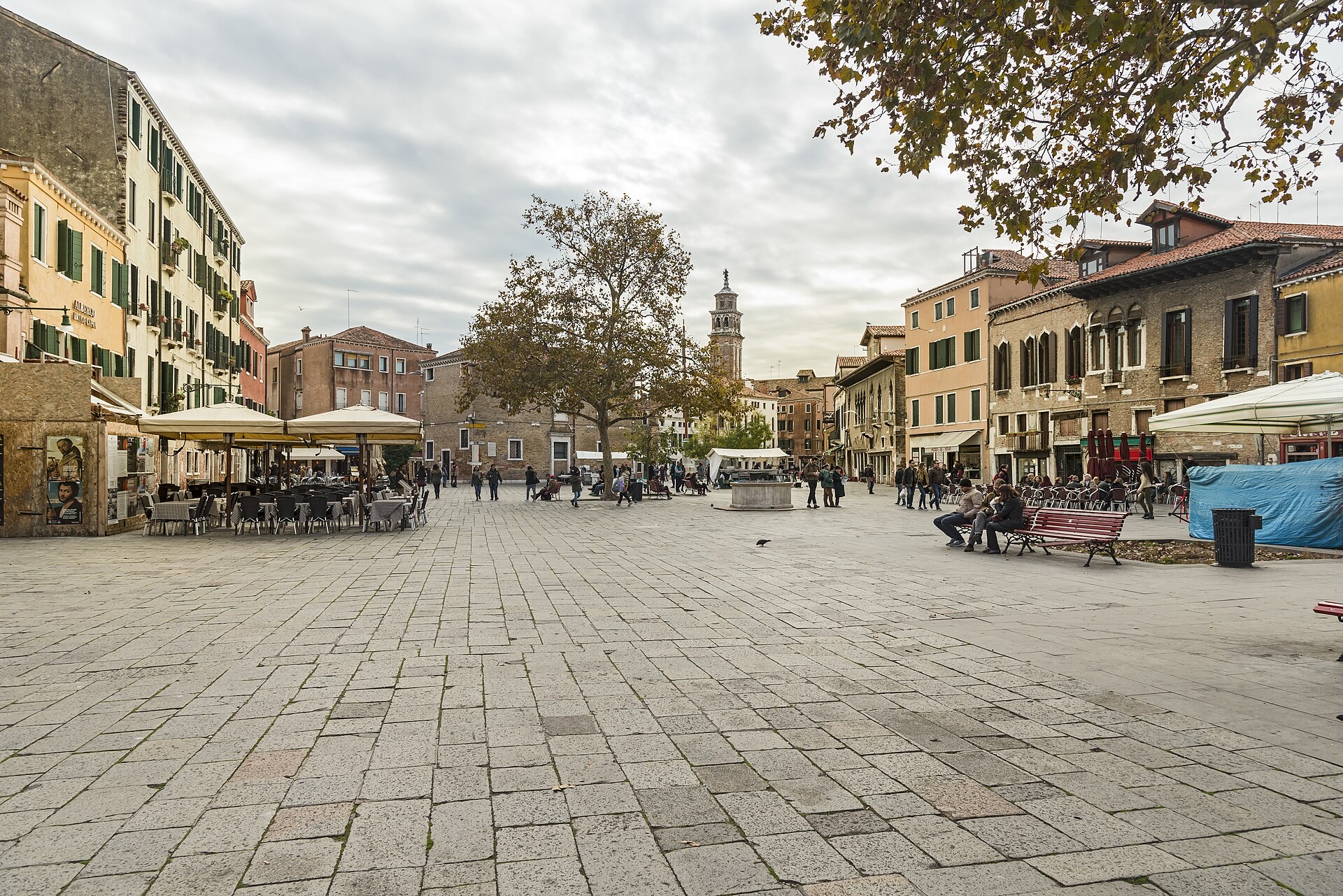
Dorsoduro
The living room
Campo Santa Margherita holds the ordinary day. The Zattere is the long southern walk.
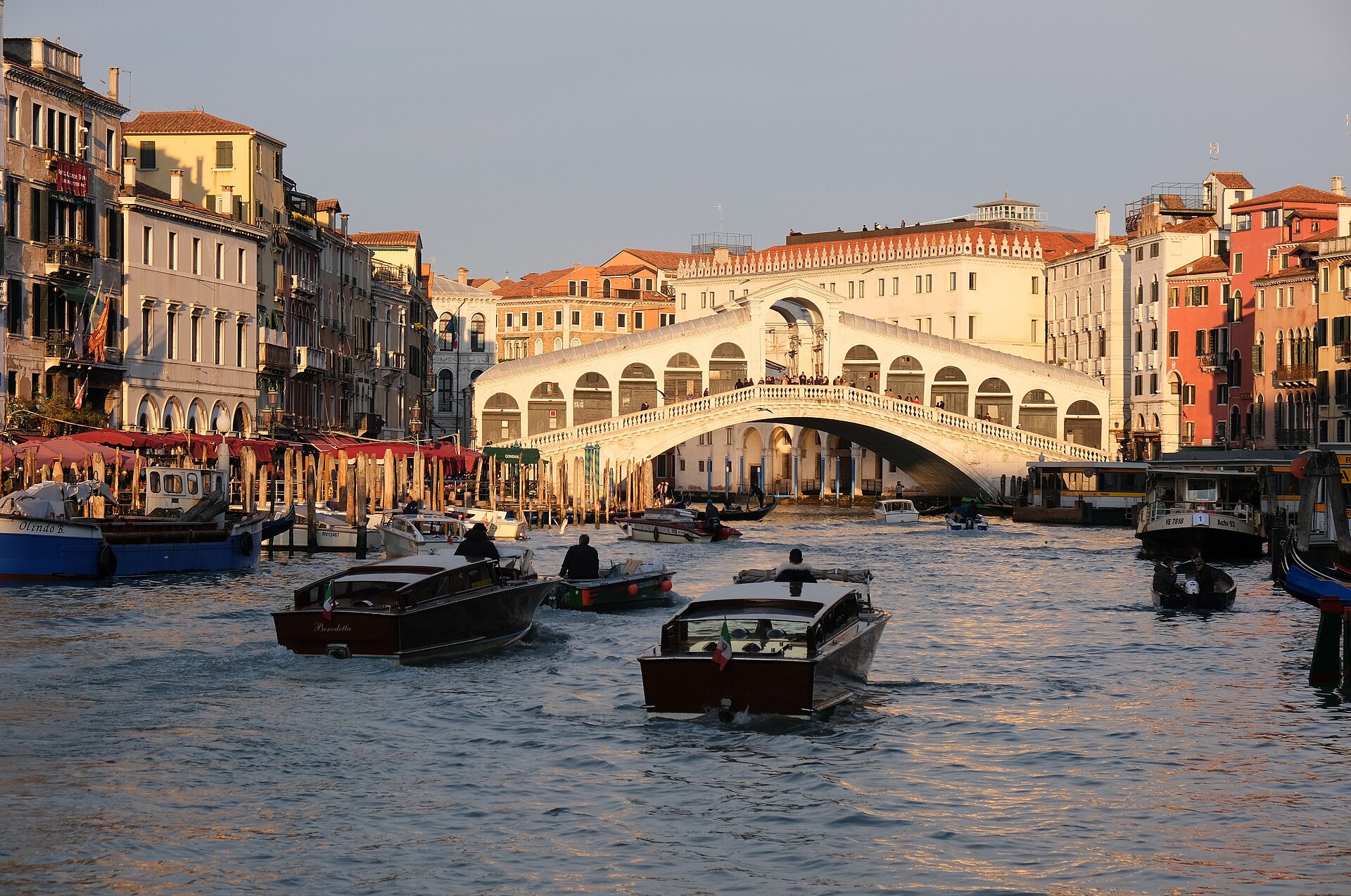
San Polo
Market and span
The stone bridge lands here. Fruit stalls work in the morning, then give the campo back.
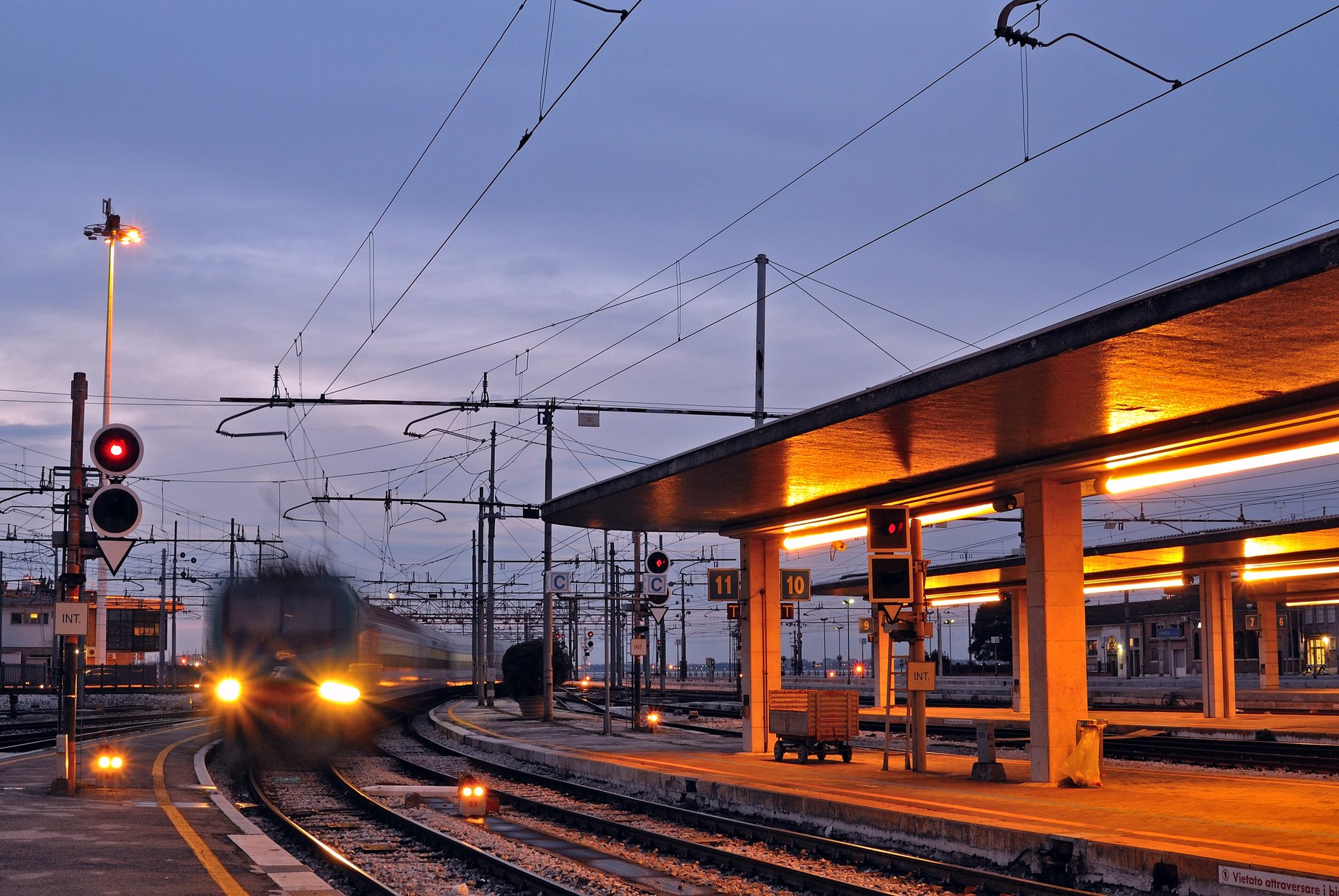
Santa Croce
Station district
Trains, the People Mover, and the first campi after you put the luggage down.
Terminus
Where the road ends
The island city does not take private cars
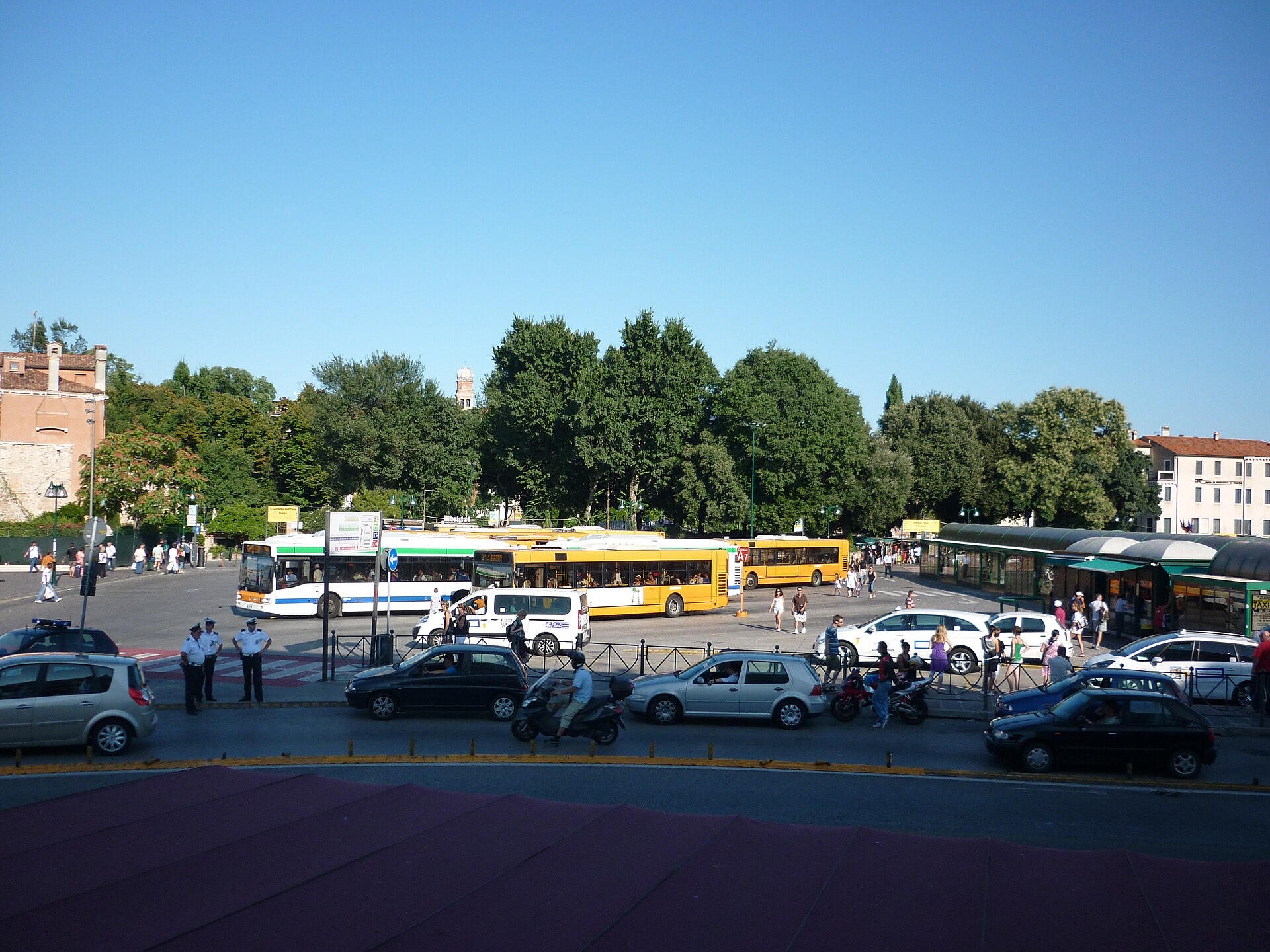
The last asphalt is at the western edge. After that the map is bridges.
- Piazzale Roma. The Ponte della Libertà puts you on this square. Walking and boats start here.
- Tronchetto. A made island west of the station, with a large covered garage.
- People Mover. An elevated shuttle, a few minutes, from Tronchetto to the square.
Terminal garages work through the night. They have height limits. You leave the car and continue on foot or by vaporetto. Plenty of drivers stop in Mestre and cross by bus, tram or train.
Beyond the six
Outer islands and public green
Pick two islands, not five. The Giardini and Sant'Elena are where the city still plants trees.
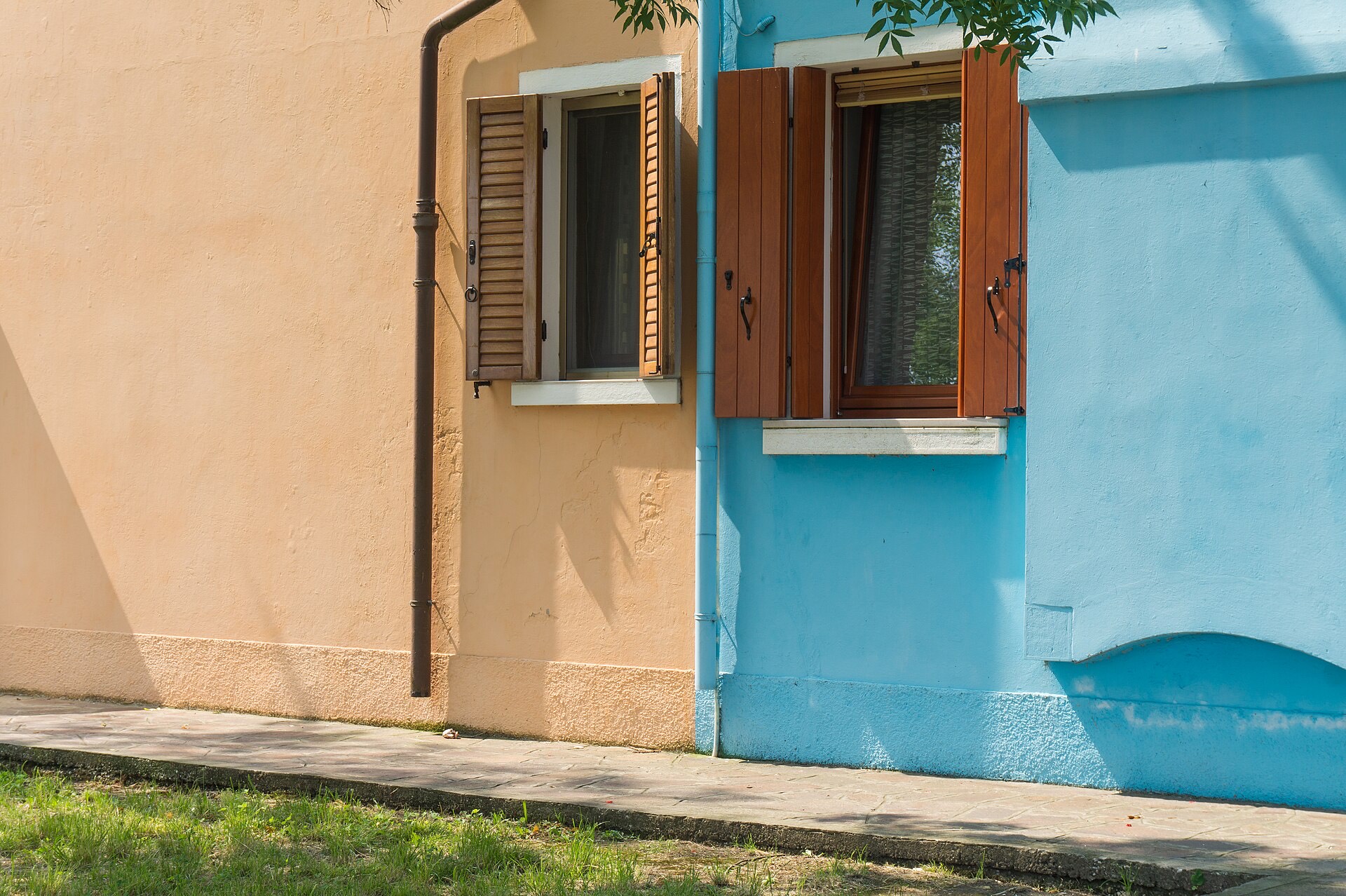
Lagoon
Murano, Burano, Torcello, Lido
Furnaces, painted houses, a basilica from the 600s, and a sandbar facing the Adriatic.
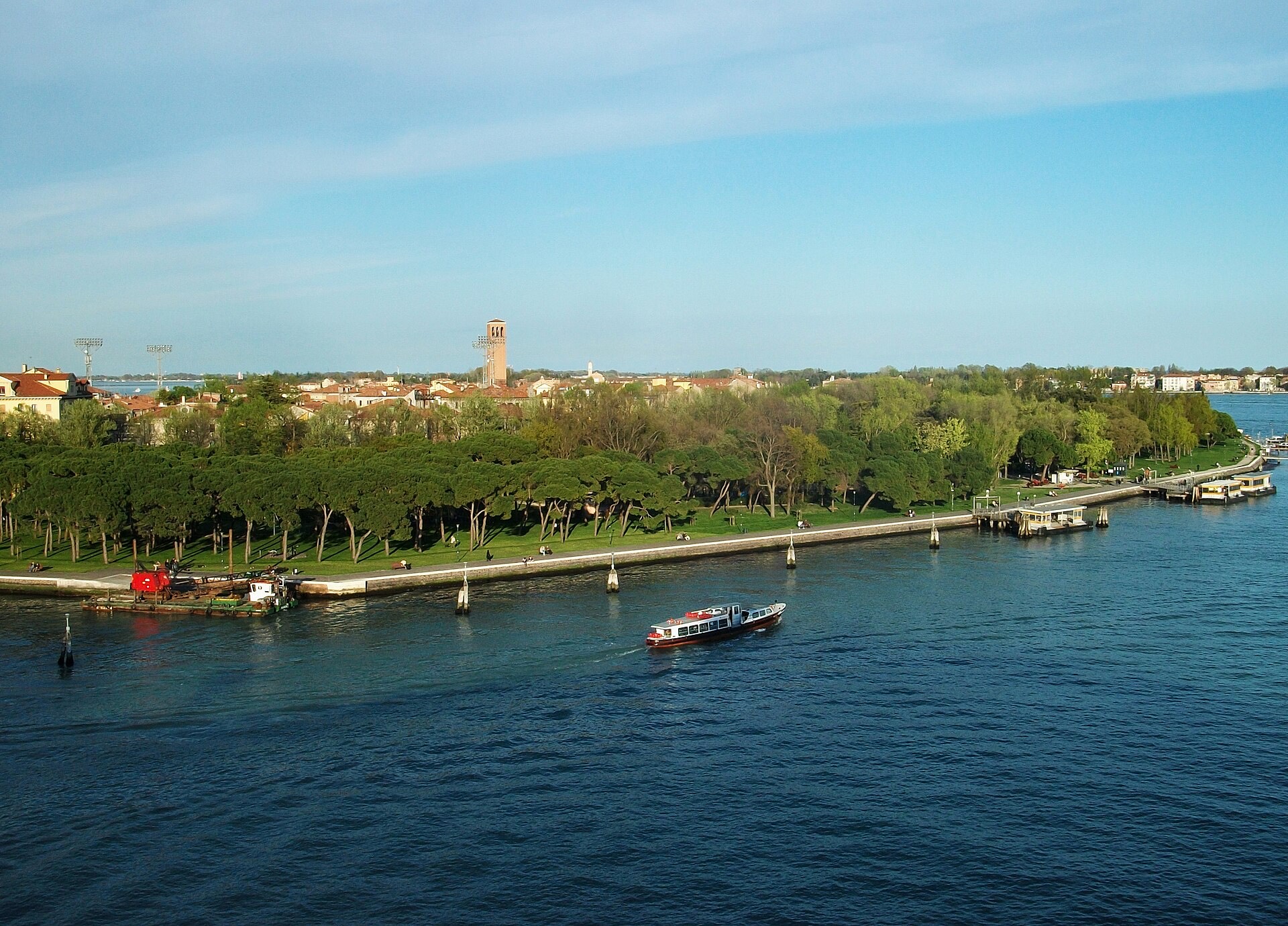
Trees
Giardini and Sant'Elena
Napoleonic gardens, Biennale pavilions, and a pine park at the eastern tip.
Default motion
You will walk more than you expect
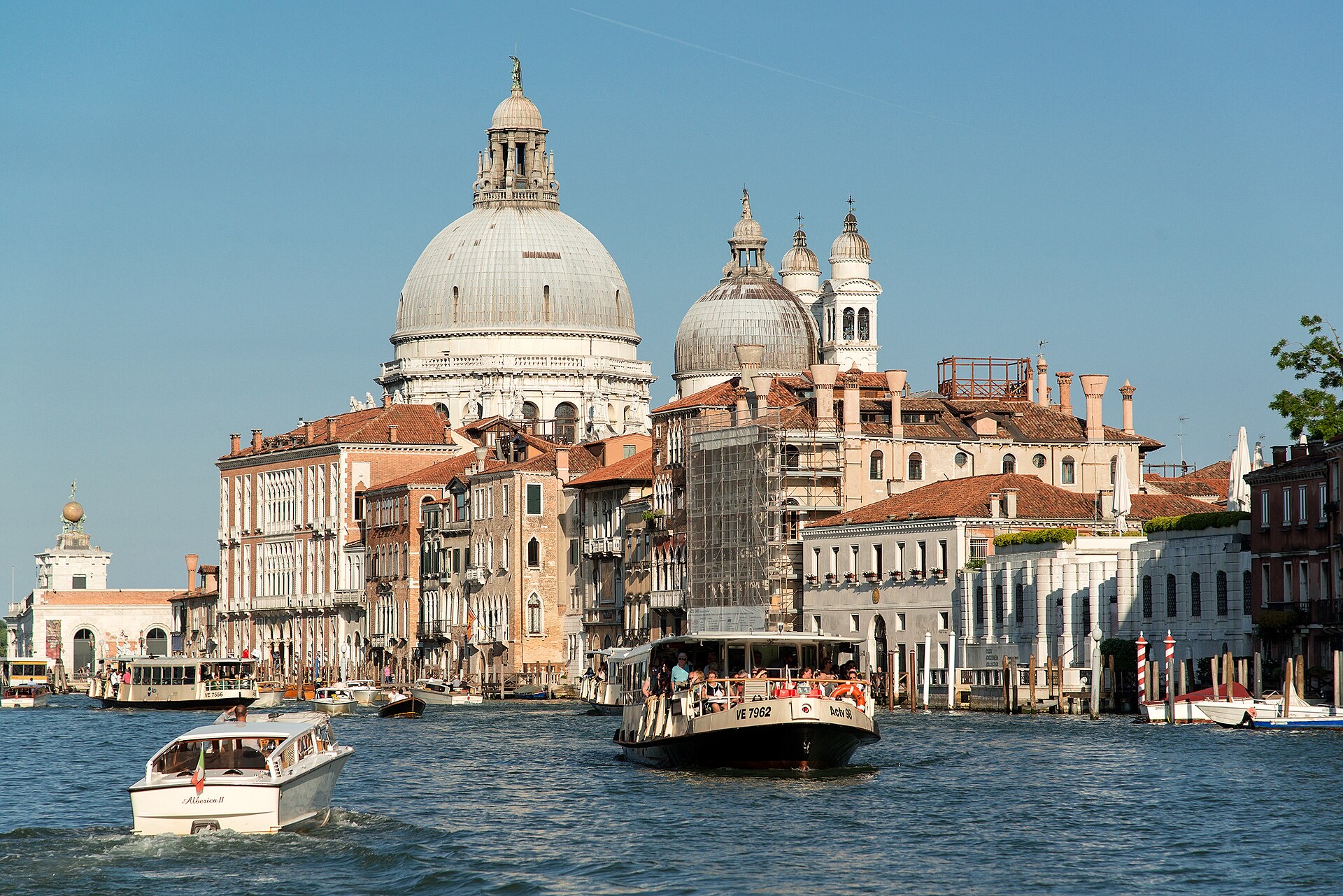
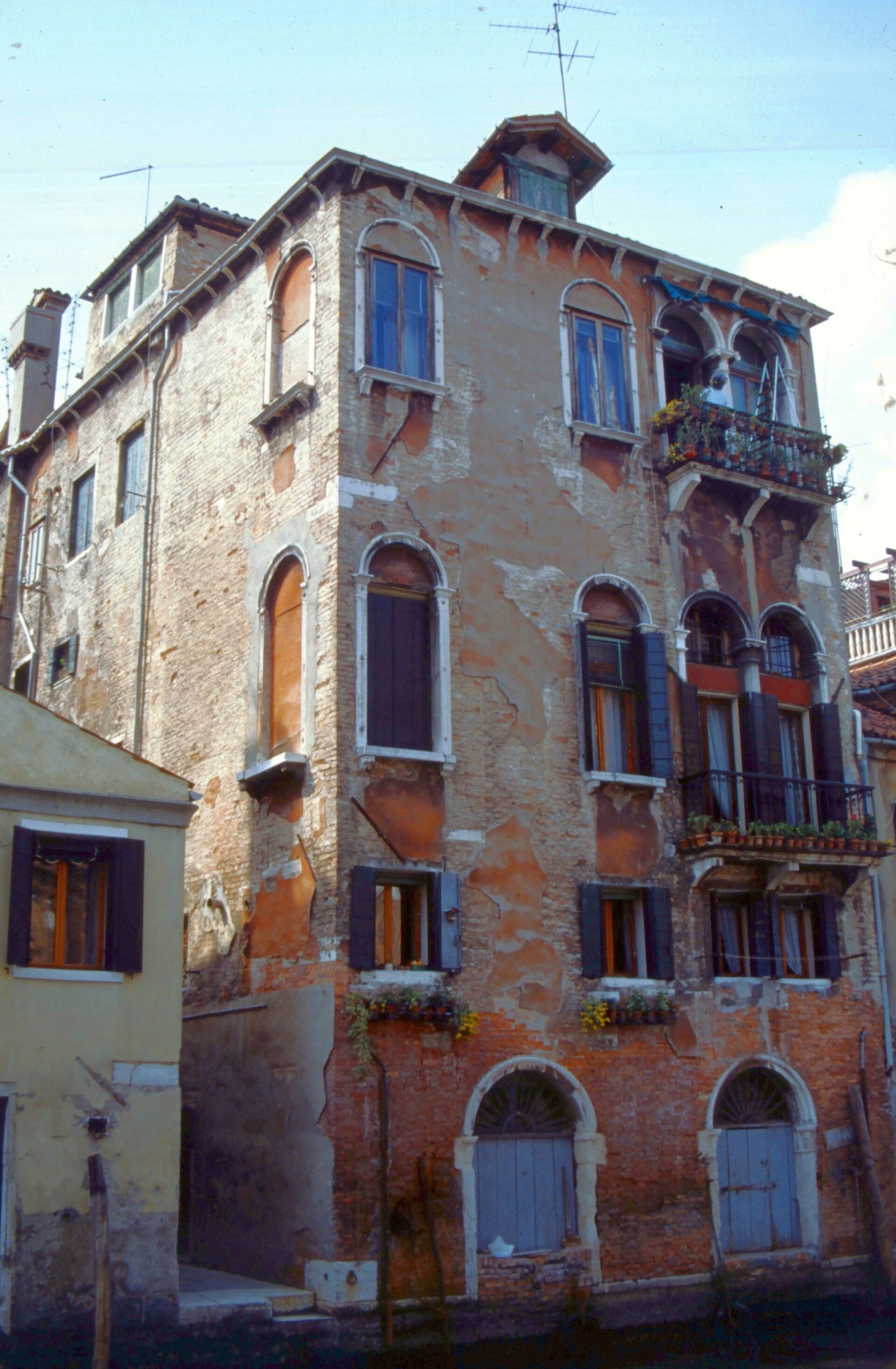
Yellow nizioleti name the streets. Bridges have steps. The vaporetto is the municipal bus. A traghetto is a public gondola crossing if you know which steps to stand on. When the tide is high, wooden walkways go up in San Marco. The notes on walking cover that without pretending the city is flat.
If you are still on the mainland, start with arriving. The useful sentence is short. The road ends. The city begins.